Brand activations · arcade engine

A Branded Arcade Engine for Event Activations

The brand is the game mechanic, not a skin — a new client is a configuration file. Fully offline, runs on a Raspberry Pi in kiosk mode.

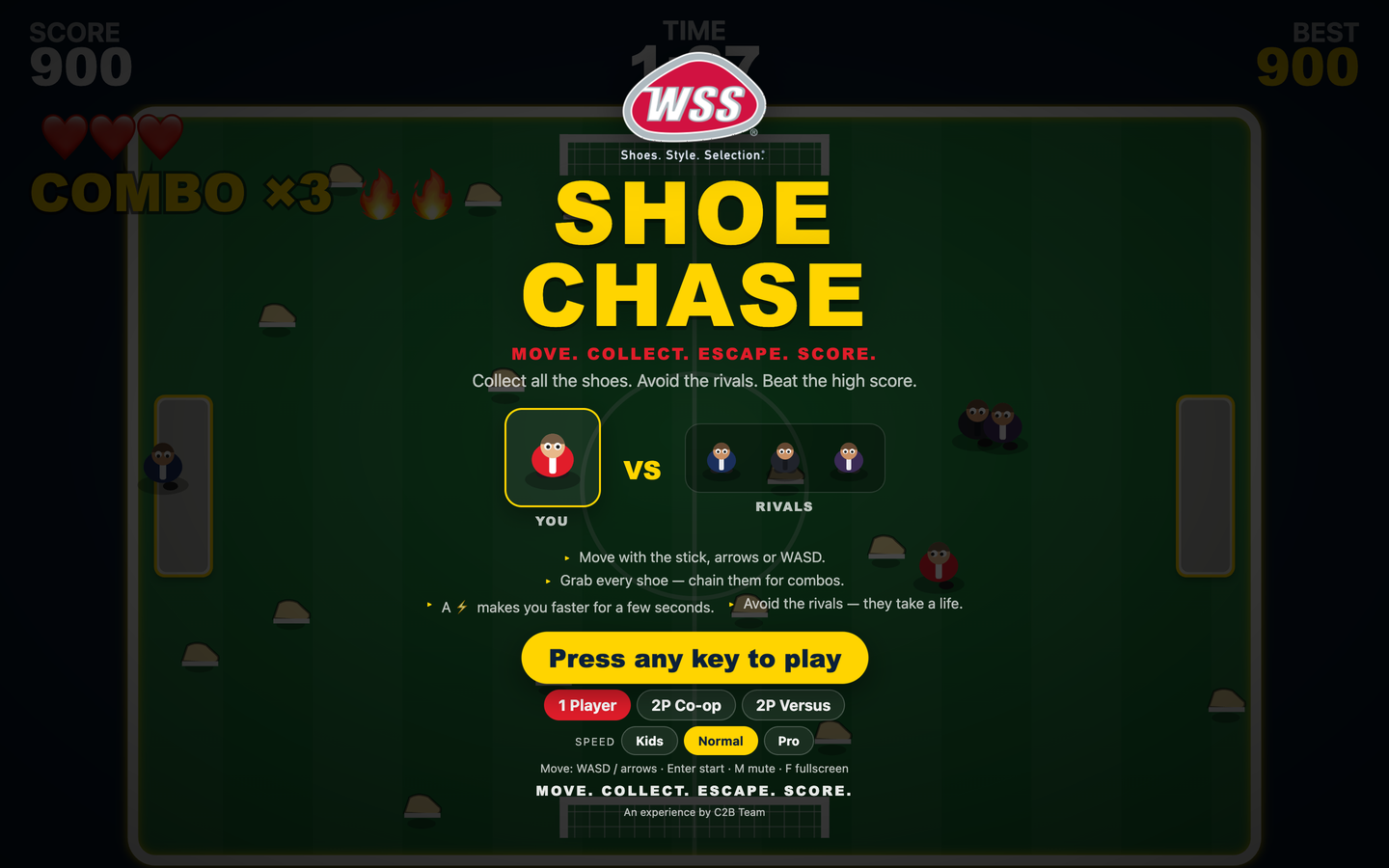
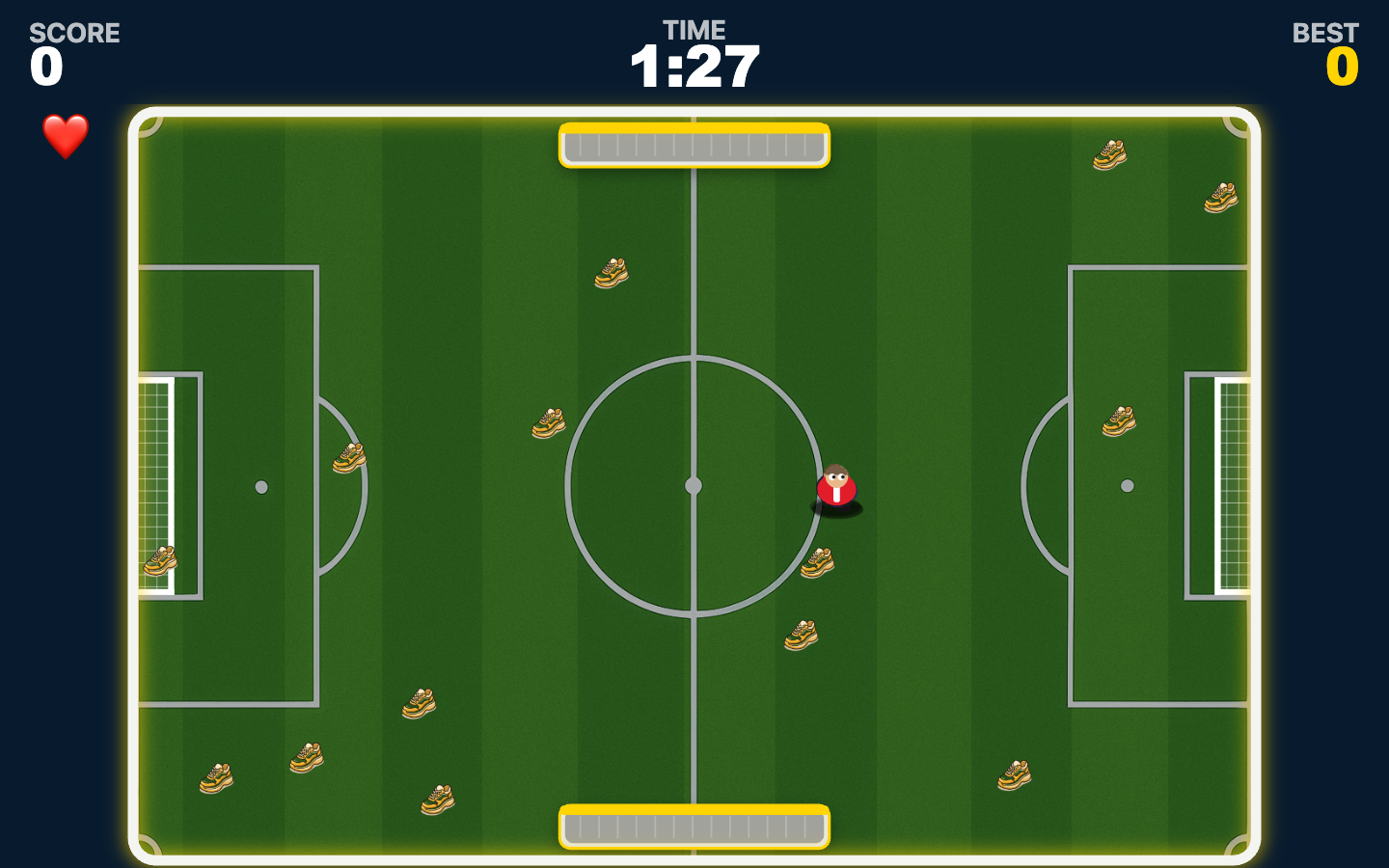
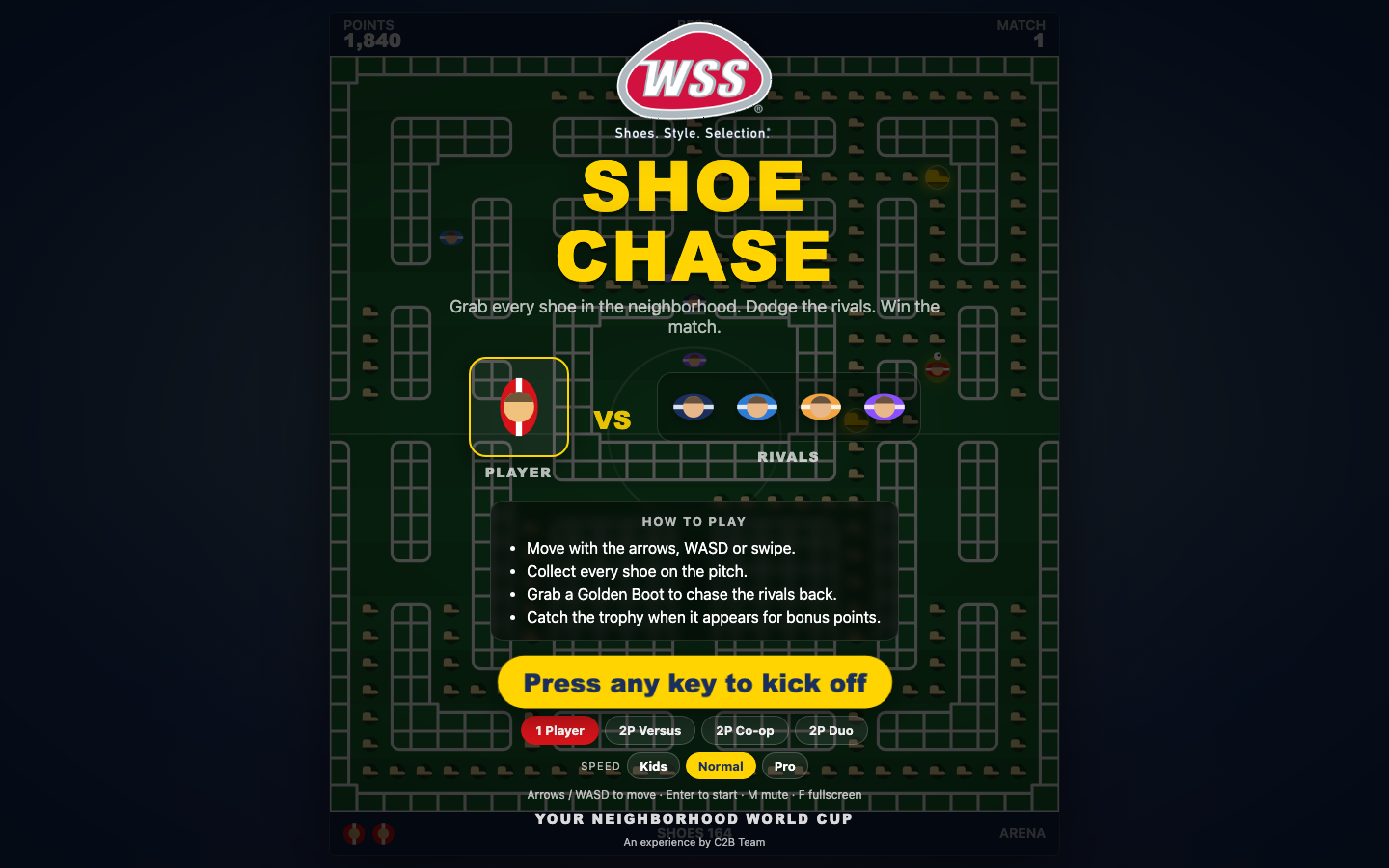
Chase engine in play: soccer-pitch arena for a footwear retailer, collecting sneakers across the field
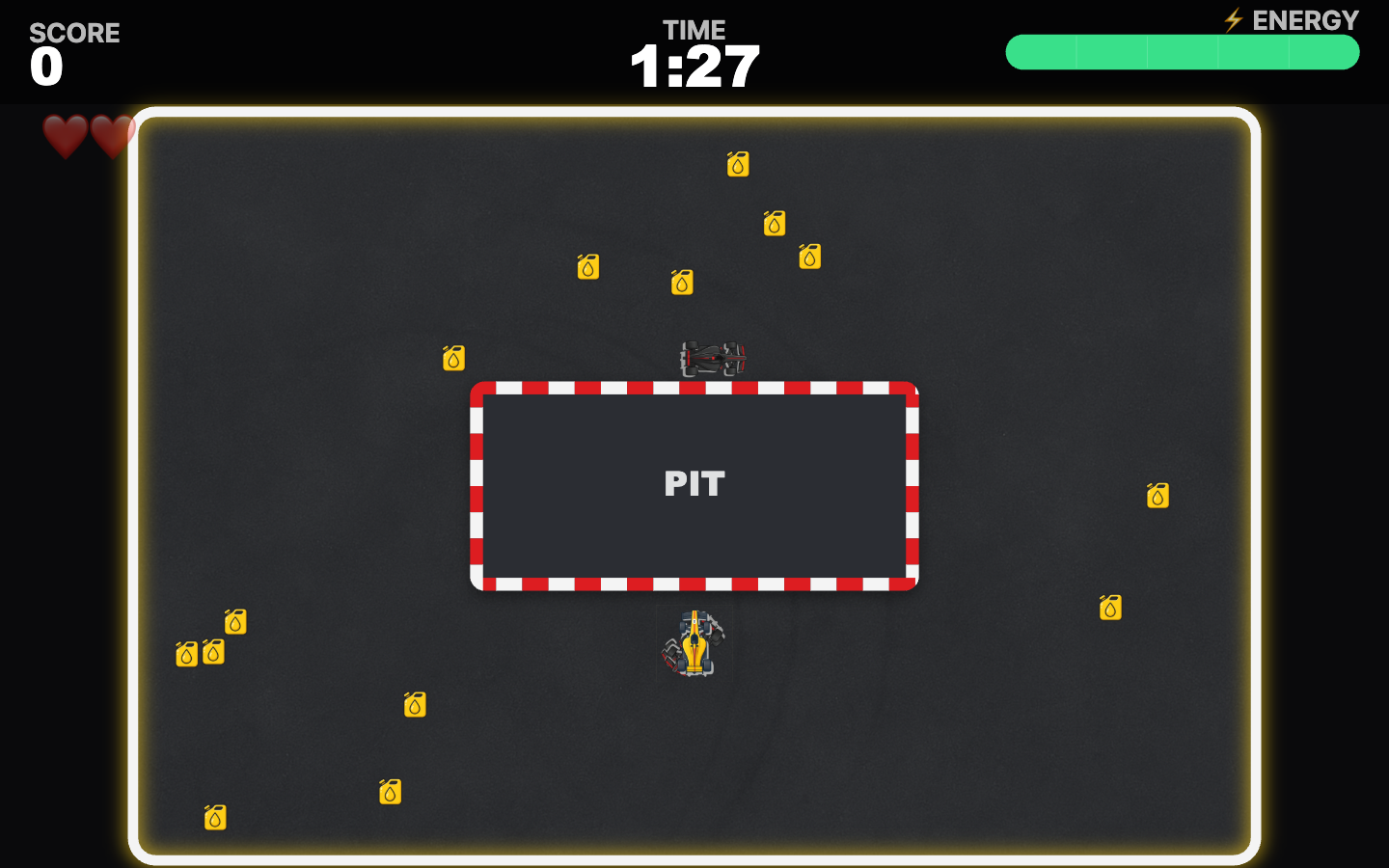
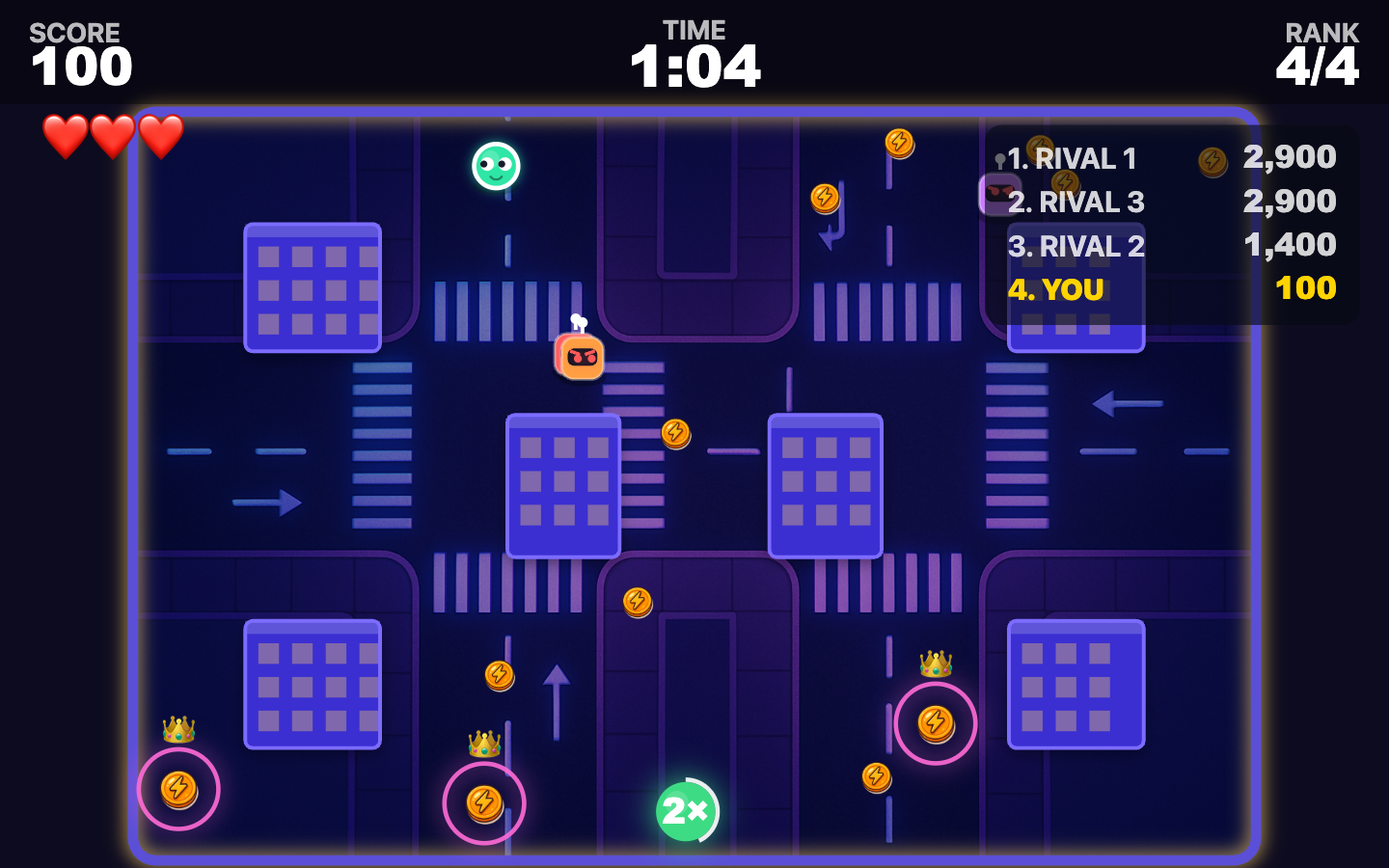
Chase engine in play: energy-management race on a track with a pit lane, fuel pickups and an energy meter Chase engine in play: product domination in a neon city with a live rival scoreboard and crowned product of the day

Real product, mid-round — three campaigns running on the same engine: a client's soccer-pitch game and two template campaigns.

Brand activations · arcade engine

Chase — Activation Game Engine

New brand = a config file, not a rebuild

Problem
Every branded game at an activation used to mean building a game: new client, new development cycle, new deadline risk. And an event kiosk can't depend on venue wi-fi to work.
What we built
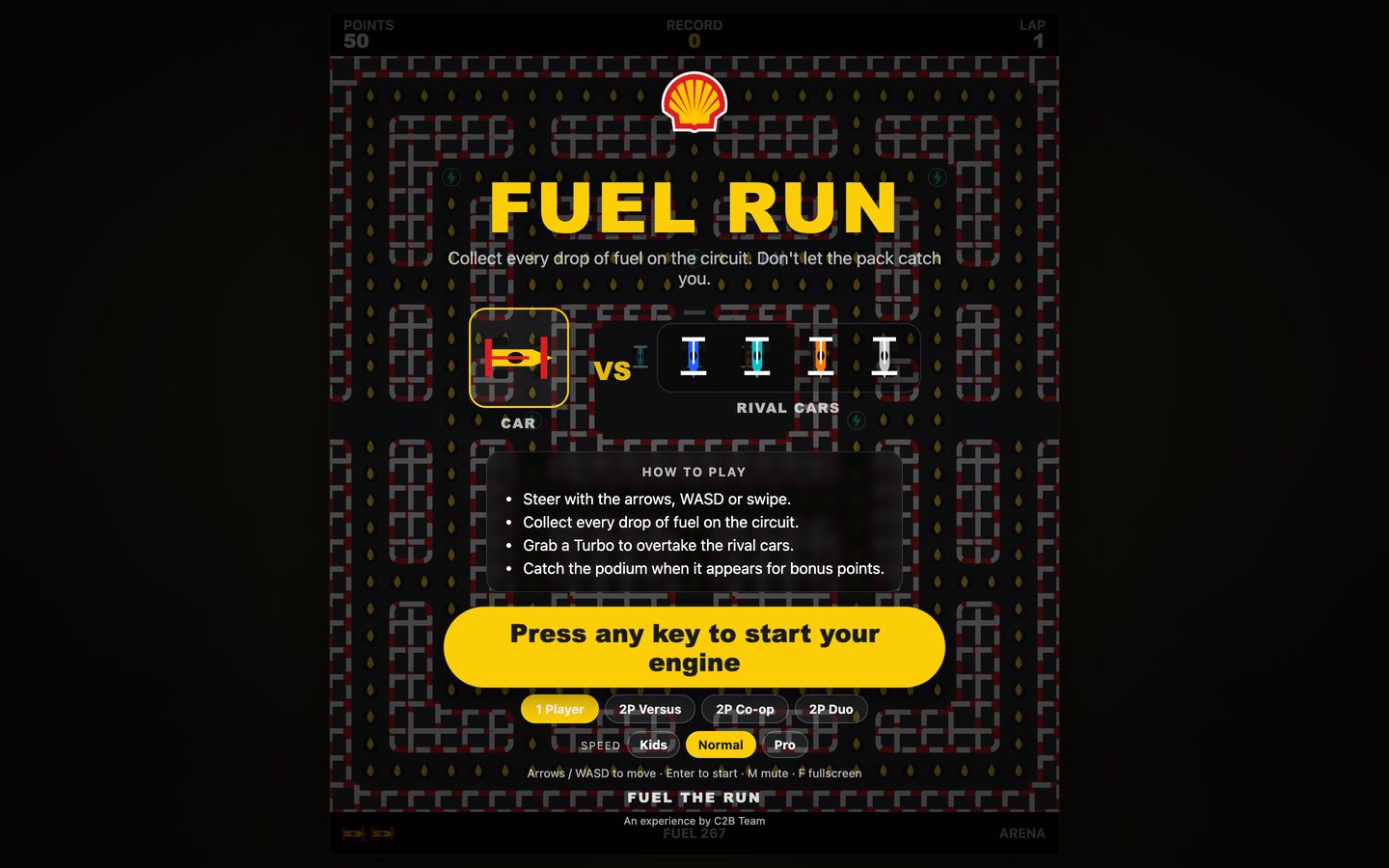
One arcade engine where the brand is the game mechanic, not a skin. The three rounds above are the same engine: a soccer pitch where players collect a footwear client’s sneakers, an energy-management race where boosting drains the meter, and a product-domination round that crowns the promoted SKU on the field. A new client is a JSON file — logo, colors, products, win condition. One player, two-player co-op or split-screen versus; gamepads, arcade sticks or touch; an arcade leaderboard with three-letter initials; and an attract mode that plays itself between players. Fully offline, static files, runs on a Raspberry Pi in kiosk mode.
What changed
Standing up a new client's activation went from a development project to a configuration file — the same engine already runs six campaigns across four game modes. And with no network and no backend, there's nothing to go down in the middle of an event.

Zero runtime dependencies — the same experiential line as Vracer and Dragon Rings.
What the system does

  • The brand is the mechanic: collect the client's product, dodge their rivals, win their prize
  • A new campaign is a configuration file — name, logo, colors, vocabulary, difficulty — with no code changes
  • Attract mode plays itself between players, rotating the leaderboard and how-to-play
  • Four play modes: single player, split-screen versus, co-op with a shared team score, and duo in one maze
  • Kids / Normal / Pro difficulty presets, switchable live at the stand
  • Plays on whatever the stand has: touch, keyboard, on-screen D-pad, gamepads and arcade sticks
  • Fills any screen — horizontal TV or vertical totem — with a branded glow in the margins
  • A local leaderboard with three-letter arcade initials, kept per campaign
  • Level 1 is always beatable; every level after speeds the rivals up and raises the point values
  • Staff switch campaigns on-site with five taps in a screen corner — no keyboard, no shortcut sheet
  • An optional per-player time limit keeps the queue moving
  • Fully offline — no network, no server, no backend to go down mid-event; runs on a Raspberry Pi in kiosk mode
  • Arena mode: 90-second score-attack rounds with combo multipliers and four power-ups

By the numbers

  • One engine, six campaigns, four game modes
  • 90-second arena rounds: +100 per item, +500 for the golden prize
  • Level-1 rivals run at 0.78× player speed — always winnable
  • Zero runtime dependencies

Does this look like your bottleneck?

This system started as one specific problem in one real company. Tell us yours in a sentence — within 24 hours we'll tell you whether it's buildable and whether the math is likely to work.

Show us the problem →

See all 13 systems →